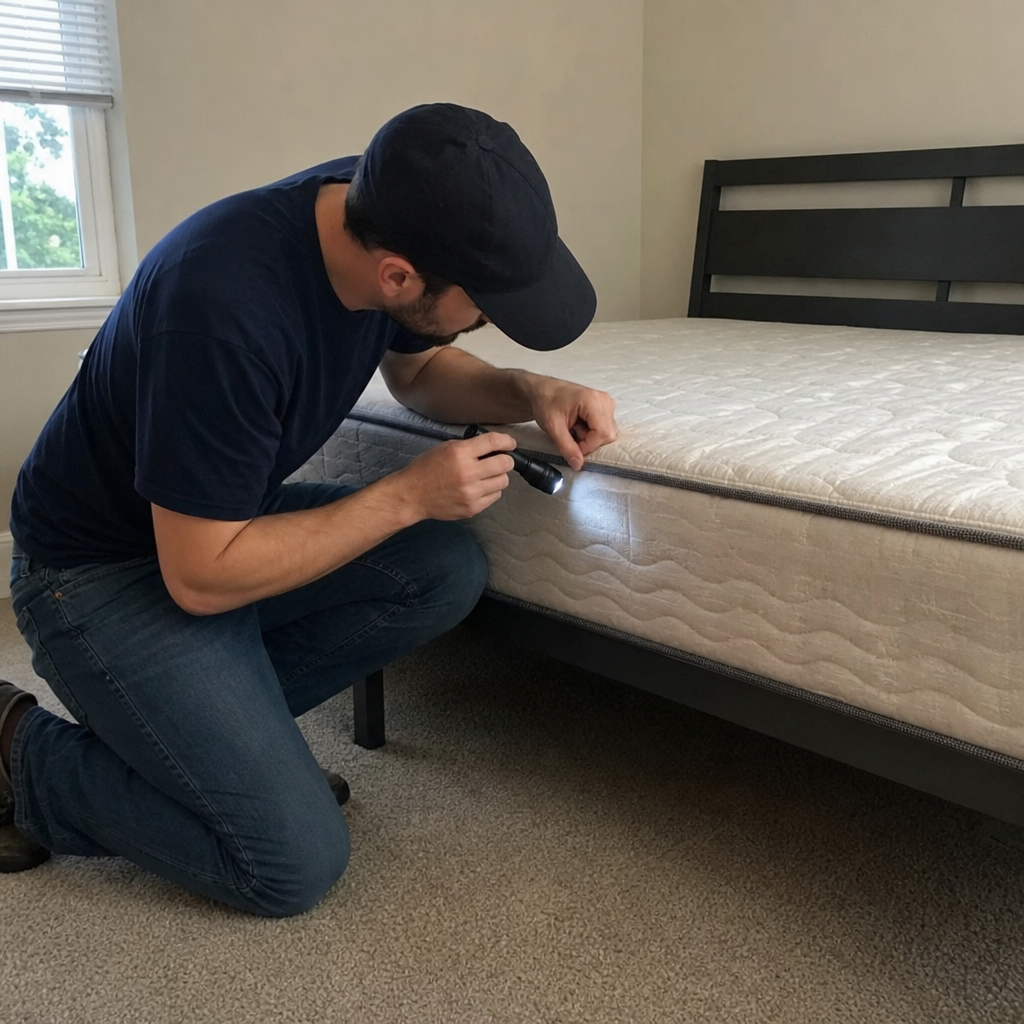
Does Renters Insurance Cover Bed Bugs? Coverage, Costs, and Who Pays
If you are asking “does renters insurance cover bed bugs?”, the short answer is usually no.
Most standard renters insurance policies are designed to protect against sudden, covered losses such as theft, fire, vandalism, or certain types of accidental damage. A bed bug infestation is usually treated differently because it develops over time and is generally considered a pest control or maintenance issue.
That means renters insurance usually does not pay for:
- Bed bug extermination
- Pest-control inspections
- Replacing an infested mattress
- Replacing furniture
- Laundry or heat treatment
- Mattress encasements
- Temporary hotel stays
- Other bed bug treatment expenses
However, that does not automatically mean the renter is responsible for every cost.
Your lease, landlord, insurance policy, and local landlord-tenant laws may all affect who ultimately pays.
The most important steps are to document the infestation, notify your landlord quickly, review your lease, and ask your insurance company whether your specific policy contains any bed bug or pest-control coverage.
Does Renters Insurance Cover Bed Bugs?
In most cases, renters insurance does not cover bed bugs.
Renters insurance commonly provides three main types of protection:
- Personal property coverage
- Personal liability coverage
- Additional living expenses or loss-of-use coverage
But those protections usually apply only when the loss is caused by a covered peril under the insurance policy.
Bed bugs are typically classified as insects or pests rather than a sudden insured event. Because of that, extermination costs and damage associated with an infestation are usually excluded.
The National Association of Insurance Commissioners explains that renters insurance is generally designed to protect personal belongings from specific covered events rather than routine maintenance problems or pest infestations.
Why Are Bed Bug Renters Insurance Claims Usually Denied?
Insurance companies generally distinguish between sudden accidental losses and problems that develop gradually.
Examples of sudden covered losses may include:
- Fire
- Theft
- Certain water damage
- Vandalism
- Smoke damage
A bed bug infestation is different.
Bed bugs may remain unnoticed for days or weeks while reproducing and spreading through furniture, bedding, walls, and personal belongings.
Because the infestation develops over time, insurance companies often classify it as a maintenance issue rather than an unexpected insured loss.
Bed bugs are often grouped with other pests
Insurance exclusions may use language such as:
- Insects
- Vermin
- Rodents
- Infestation
- Pest damage
- Wear and tear
- Maintenance
Even if the words “bed bugs” do not appear specifically in your policy, broader pest or insect exclusions may still apply.
That is why it is important to read your policy carefully or ask your insurer to identify the exact language that applies.
Does Renters Insurance Cover Bed Bug Extermination?
Usually not.
Standard renters insurance generally does not cover the cost of professional bed bug extermination.
That may include:
- Pest-control inspection
- Chemical treatment
- Heat treatment
- Steam treatment
- Follow-up visits
- Preventive monitoring
- Mattress or box-spring encasements
Depending on where you live, however, your landlord may be responsible for arranging or paying for treatment.
Before hiring an exterminator yourself, notify your landlord or property manager and review your lease.
Does Renters Insurance Cover a Mattress With Bed Bugs?
Usually not.
If you decide to throw away or replace a mattress because of bed bugs, standard renters insurance will generally not reimburse the cost.
That is because the underlying cause—bed bugs—is typically excluded.
The same issue can apply to:
- Box springs
- Sofas
- Chairs
- Upholstered furniture
- Rugs
- Bedding
- Clothing
Before throwing anything away, speak with a pest-control professional.
Many items can be successfully treated, and unnecessarily replacing furniture can significantly increase the cost of an infestation.
Does Renters Insurance Cover Furniture Damaged by Bed Bugs?
Usually no.
Personal property coverage protects your belongings only when the damage results from a covered cause of loss.
If insects or infestations are excluded from your policy, the resulting damage to furniture is usually excluded as well.
For example, if you discard a $1,500 sofa because bed bugs were found inside it, your insurer may deny reimbursement because the infestation itself is not covered.
This is one reason professional inspection is important before deciding that furniture must be thrown away.
Does Renters Insurance Cover Laundry and Heat Treatment?
Generally not.
Bed bug treatment often requires laundering or heating:
- Clothing
- Sheets
- Blankets
- Curtains
- Towels
- Stuffed animals
- Other washable belongings
These expenses can add up quickly, especially in larger households.
Standard renters insurance usually does not reimburse laundry or heat-treatment expenses related solely to a bed bug infestation.
However, you should keep receipts anyway.
Those records may be useful in discussions with your landlord, tenant-rights organizations, or other assistance programs.
Does Renters Insurance Pay for a Hotel During Bed Bug Treatment?
Usually not.
Many renters insurance policies include additional living expense coverage, sometimes called loss-of-use coverage.
This coverage can help pay for temporary living expenses when a rental home becomes uninhabitable because of a covered event.
Those expenses may include:
- Hotel stays
- Temporary rentals
- Additional food costs
- Certain transportation expenses
But there is an important limitation:
The home generally must become uninhabitable because of a covered loss.
If bed bugs are excluded from the policy, the resulting hotel stay is usually excluded as well.
Some specialty policies or endorsements may provide limited bed bug benefits, so it is worth asking your insurer directly.
Will Renters Insurance Ever Cover Bed Bugs?
Possibly, but only in limited situations.
Some insurers, specialized renters programs, or landlord-sponsored plans may offer bed bug endorsements or limited pest-remediation coverage.
These policies may provide a fixed reimbursement amount for certain expenses.
Coverage might include:
- Inspection
- Extermination
- Limited personal property reimbursement
- Laundry treatment
- Temporary housing
But coverage limits and requirements vary considerably.
Do not assume a policy covers bed bugs simply because it advertises pest protection.
Ask specifically:
“Does this policy cover bed bug extermination, personal property, and additional living expenses?”
What Is a Bed Bug Insurance Endorsement?
An endorsement is an optional change or addition to an insurance policy.
A bed bug endorsement may provide limited coverage for expenses normally excluded under a standard renters policy.
For example, an endorsement could potentially reimburse a portion of:
- Pest-control treatment
- Replacement belongings
- Laundry expenses
- Temporary lodging
Coverage varies by insurance company.
If protection from bed bugs is important to you, ask whether an endorsement is available before buying or renewing your renters policy.
What Is Pest Control Insurance?
The term pest control insurance can be confusing.
For renters, it might describe:
- A renters insurance endorsement
- A landlord-sponsored pest program
- A home service plan
- A pest-control membership
- A separate specialty insurance product
These products are not necessarily the same as traditional renters insurance.
Before purchasing anything, find out exactly what expenses the plan covers.
Ask whether it pays for:
- Inspection
- Extermination
- Furniture replacement
- Laundry
- Hotel stays
- Follow-up treatment
Renters Insurance and Bed Bugs: Your Lease Matters Too
Because standard renters insurance usually does not cover bed bugs, your lease becomes extremely important.
Your lease may explain:
- When pest problems must be reported
- Whether the landlord provides extermination
- Whether tenants must cooperate with treatment
- Whether neighboring units must be inspected
- When a tenant may be charged for pest control
- What happens if an infestation spreads
In apartment buildings, bed bugs can move between units.
That makes quick reporting especially important.
The U.S. Environmental Protection Agency recommends that apartment residents notify landlords or property managers when bed bugs are suspected.
Is the Landlord Responsible for Bed Bugs?
Possibly.
Whether a landlord is responsible for bed bugs depends on:
- State law
- City or county law
- Local housing codes
- Your lease
- When the infestation began
- Whether other units are affected
- Whether the landlord knew about a previous infestation
A landlord may be more likely to have responsibility when:
- Bed bugs existed before you moved in
- Multiple apartments are affected
- Bed bugs spread from another unit
- The landlord previously knew about an infestation
- Local housing laws require pest control
- The landlord failed to respond after receiving notice
However, landlord-tenant laws vary considerably from one location to another.
Never assume that rules in another state or city apply to your rental.
Can a Tenant Be Responsible for Bed Bug Treatment?
Yes.
A renter may sometimes be responsible for treatment costs, particularly when evidence suggests the infestation was introduced or worsened by the tenant.
Examples may include:
- Bringing infested furniture into the property
- Failing to report an infestation
- Refusing pest-control access
- Ignoring treatment preparation instructions
- Moving infested belongings through common areas
However, proving exactly where bed bugs originated can be difficult.
If your landlord claims you are responsible, request documentation and review your lease before agreeing to pay.
What Do Bed Bugs Cost Beyond Extermination?
The actual cost of dealing with bed bugs can extend far beyond the exterminator.
Even when a landlord pays for treatment, renters may still face other expenses.
Inspection costs
A pest-control professional may need to confirm whether the insects are actually bed bugs.
Treatment preparation
You may need:
- Plastic bags
- Storage bins
- Laundry supplies
- Mattress encasements
- Vacuum supplies
- Clutter-removal materials
Laundry and heat treatment
Clothing, bedding, curtains, and other fabric items may need washing and drying using appropriate heat.
Furniture treatment or replacement
Some furniture can be treated successfully.
Other heavily infested items may eventually need to be discarded.
Temporary lodging
Some renters choose to stay elsewhere during certain treatments.
Unless your insurance specifically covers bed bugs, those hotel costs may be your responsibility.
Follow-up monitoring
Bed bug treatment often requires monitoring after the initial extermination.
This can include:
- Bed bug interceptors
- Mattress encasements
- Follow-up inspections
- Additional treatments
What Should You Do If You Find Bed Bugs?
If you think you have bed bugs, act quickly but avoid panic.
1. Confirm the infestation
Bites alone are not enough to confirm bed bugs.
Look for physical evidence such as:
- Live bed bugs
- Shed skins
- Tiny pale eggs
- Dark fecal stains
- Blood stains near sleeping areas
Read our bed bug identification guide if you are unsure what you are seeing.
2. Take photographs
Document:
- The insect
- Mattress seams
- Bed frames
- Stains
- Shed skins
- Eggs
- Affected furniture
Include the date whenever possible.
3. Notify your landlord in writing
Send an email or written notice.
Include:
- The date you discovered the problem
- Where the bugs were found
- Photos
- A request for professional inspection
Written communication creates a clear record.
4. Do not move belongings to another room
Bed bugs are attracted to people.
Moving from the bedroom to the sofa may encourage the infestation to spread.
5. Avoid moving infested furniture through the building
Dragging an infested mattress or sofa through a hallway can spread bed bugs into neighboring units.
Ask the landlord or exterminator how unwanted furniture should be handled.
6. Follow pest-control instructions carefully
Preparation may include:
- Washing clothing
- Drying items using appropriate heat
- Bagging belongings
- Reducing clutter
- Vacuuming
- Moving furniture
Follow the treatment instructions provided by the pest-control company.
7. Contact your renters insurance company
Ask whether your policy includes:
- Bed bug coverage
- Pest-control coverage
- Personal property reimbursement
- Loss-of-use coverage
- A bed bug endorsement
8. Save every receipt
Keep receipts for:
- Laundry
- Hotel stays
- Pest-control products
- Replaced furniture
- Inspections
- Transportation
- Treatment-related purchases
Even if insurance does not reimburse them, those receipts may be important later.
Questions to Ask Your Renters Insurance Company
Do not simply ask:
“Does renters insurance cover bed bugs?”
Ask more specific questions.
For example:
- Does my policy contain a bed bug exclusion?
- Are insects or infestations excluded?
- Do I have a pest-remediation endorsement?
- Is professional extermination covered?
- Would damaged furniture be reimbursed?
- Is laundry treatment covered?
- Does loss-of-use coverage apply?
- Would temporary lodging be reimbursed?
- Is there a deductible?
- Is there a maximum bed bug reimbursement amount?
Ask the insurer to show you the relevant language in your policy.
Should You File a Renters Insurance Claim for Bed Bugs?
You should first determine whether your policy provides any applicable coverage.
If the policy clearly excludes insects or infestations, opening a formal claim may not provide any benefit.
Before filing, ask your insurer whether the issue appears covered and whether simply reporting the situation creates a formal claim record.
If coverage is denied, ask for the reason in writing.
Do Bed Bugs Spread Between Apartments?
Yes.
Bed bugs can move between apartments through:
- Wall openings
- Plumbing penetrations
- Electrical outlets
- Hallways
- Shared laundry rooms
- Furniture
- Clothing
- Personal belongings
This is why treating only one apartment may not always solve a building-wide problem.
If you live in a multifamily property, neighboring units may also need inspection.
Are Bed Bugs Dangerous?
Bed bugs are not known to spread disease, according to the Centers for Disease Control and Prevention.
However, they can still create significant problems.
Bed bug bites can cause:
- Itching
- Skin irritation
- Allergic reactions in some people
- Sleep disruption
- Anxiety
- Stress
Repeated scratching can also increase the risk of secondary skin infections.
How to Reduce the Risk of Bed Bugs in a Rental
No prevention strategy can completely eliminate the risk, but several habits can help.
Inspect secondhand furniture
Check used:
- Mattresses
- Sofas
- Recliners
- Bed frames
- Nightstands
- Upholstered chairs
Look carefully around seams, cracks, joints, screw holes, and fabric folds.
Inspect your sleeping area regularly
Check:
- Mattress seams
- Box springs
- Headboards
- Bed frames
Finding an infestation early can make treatment easier.
Reduce clutter
Clutter creates additional hiding places and makes inspection more difficult.
Be careful after traveling
Bed bugs can hitchhike in:
- Luggage
- Clothing
- Backpacks
- Hotel belongings
Inspect luggage after returning home.
Consider bed bug mattress encasements
Quality bed bug-rated encasements can make mattresses and box springs easier to inspect and monitor.
Does Renters Insurance Cover Bed Bugs? The Bottom Line
So, does renters insurance cover bed bugs?
In most cases, no.
Standard renters insurance usually does not pay for bed bug extermination, replacement mattresses, damaged furniture, laundry costs, or hotel stays because infestations are generally classified as pest-control or maintenance issues rather than sudden covered losses.
However, your situation may involve more than insurance.
Your landlord may have responsibilities under your lease or local housing laws.
If you discover bed bugs:
- Document the infestation.
- Notify your landlord in writing.
- Avoid spreading belongings throughout the property.
- Follow professional pest-control instructions.
- Review your renters insurance policy.
- Ask whether any bed bug endorsement applies.
- Keep all receipts and correspondence.
If you are unsure whether what you found is actually a bed bug, start with our bed bug identification guide or browse the Bed Bug Knowledge Center.
Early identification and fast action can prevent a small infestation from becoming a much larger—and more expensive—problem.